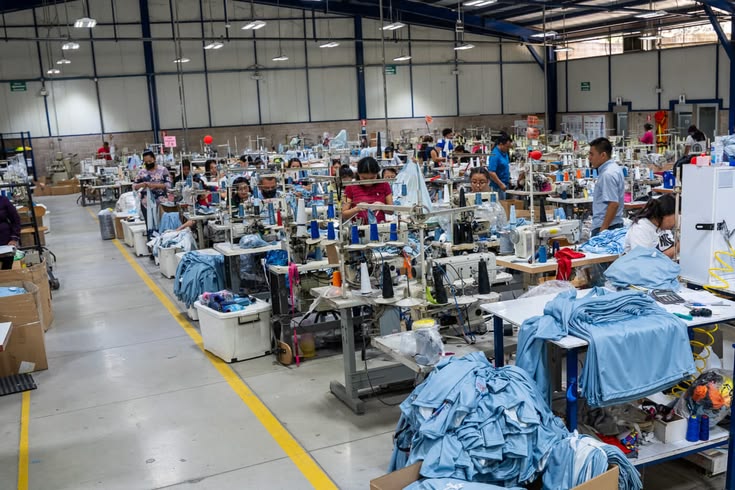
Factory worker jobs in Canada are among the most accessible employment opportunities for foreign workers in 2026. With strong demand in manufacturing, food processing, packaging, and industrial production, many Canadian companies are actively offering visa sponsorship through LMIA (Labour Market Impact Assessment).
This comprehensive guide covers salaries, requirements, hiring companies, and how to secure a factory job in Canada.
Why Factory Jobs Are in High Demand in Canada
Canada’s manufacturing sector continues to expand, creating a steady need for workers. However, employers face ongoing labour shortages due to:
- Aging workforce and retirements
- Increased production demand
- Limited local workforce for manual jobs
As a result, thousands of factory and production jobs are available, with many employers open to hiring foreign workers through LMIA sponsorship.
What Is Visa Sponsorship (LMIA)?
A Labour Market Impact Assessment (LMIA) allows Canadian employers to hire foreign workers when no suitable Canadians are available.
How it works:
- Employer advertises the job locally
- If no qualified candidates are found, they apply for LMIA
- A positive LMIA allows hiring a foreign worker
- You use the job offer + LMIA to apply for a work permit
In 2026, updated rules require stricter recruitment efforts before LMIA approval, ensuring fairness in hiring.
Salary of Factory Workers in Canada (2026)
Factory jobs offer stable income and benefits, even for entry-level workers.
Typical salary range:
- Hourly pay: CAD $17 – $30+
- Monthly income: CAD $2,500 – $4,500
- Annual salary: CAD $35,000 – $65,000
Common benefits:
- Health and dental insurance
- Paid leave and overtime
- Relocation assistance (in some jobs)
- On-the-job training
Companies Currently Hiring Factory Workers (With Sponsorship Potential)
Several Canadian companies regularly hire factory and production workers, including foreign applicants:
Manufacturing & Industrial Companies
- Price Industries Limited
- New Flyer
- Canfor
Food Processing & Packaging Companies
- Canada Packers
- JBS Food Canada
- FG Deli Group Ltd
- PKK Bakers Co.
Other Employers Hiring Factory Workers
- Michel Germain Parfums Ltd
- Alliston Creamery and Dairy Ltd
- Kohltech Windows & Entrance Systems
These companies frequently offer roles such as production workers, packaging staff, and assembly line operators. Availability of visa sponsorship depends on current labour needs and LMIA approval.
Types of Factory Jobs Available
Foreign workers can apply for a wide range of factory roles:
1. Production Worker
- Operating machinery
- Assembling products
- Monitoring production lines
2. Packaging Worker
- Packing finished goods
- Labeling and quality control
- Preparing items for shipment
3. Food Processing Worker
- Meat, dairy, or bakery production
- Cleaning and sanitation
- Handling food safety processes
4. Warehouse & Assembly Worker
- Sorting and organizing products
- Using scanners and inventory systems
- Loading and unloading goods
Many of these roles offer on-the-job training and do not require prior experience.
Requirements for Factory Worker Jobs
Basic Requirements:
- Valid passport
- Job offer from a Canadian employer
- Positive LMIA
- Medical exam and police clearance
Education & Experience:
- No university degree required
- High school education may be preferred
- Experience is an advantage but often not mandatory
Skills Needed:
- Physical stamina
- Ability to stand for long hours
- Attention to detail
- Basic English communication
Job Duties of Factory Workers
Typical responsibilities include:
- Operating machines and equipment
- Inspecting products for quality
- Packing and labeling goods
- Cleaning work areas
- Reporting faults or defects
Factory jobs often involve repetitive tasks in fast-paced environments.
Immigration Pathways
Factory workers can move to Canada through:
1. Temporary Foreign Worker Program (TFWP)
- LMIA-based work permit
- Most common route
2. Provincial Nominee Program (PNP)
- Some provinces nominate manufacturing workers
- Can lead to permanent residency
3. Employer-Sponsored Work Permit
- Based on job offer + LMIA
How to Apply for Factory Jobs in Canada
Step 1: Prepare Your Documents
- CV (Canadian-style)
- Passport
- Work experience (if available)
Step 2: Search for Jobs
Look for keywords like:
- “Factory worker LMIA Canada”
- “Production worker visa sponsorship”
Step 3: Apply to Employers
- Apply directly through job boards or company websites
- Focus on employers open to hiring foreign workers
Step 4: Get Job Offer + LMIA
- Employer applies for LMIA
- You receive official job offer
Step 5: Apply for Work Permit
- Submit application with LMIA
- Complete biometrics and medical exam
Important Tips to Avoid Scams
- Never pay for a job offer or LMIA
- Verify company legitimacy
- Avoid agents promising guaranteed visas
- Confirm job details before applying
Pros and Cons
Advantages:
- No degree required
- Many entry-level opportunities
- Visa sponsorship available
- Stable income and benefits
Challenges:
- Repetitive and physically demanding work
- Long shifts or night work
- Industrial environment risks
Final Thoughts
Factory worker jobs in Canada with visa sponsorship in 2026 provide a realistic pathway for foreign workers, especially those seeking entry-level employment. With strong demand across industries and many companies open to international hiring, the manufacturing sector remains one of the best opportunities to work legally in Canada without advanced qualifications.
By applying strategically, targeting LMIA-approved employers, and staying alert to scams, you can secure a job and begin building a stable career—and potentially a long-term future—in Canada.