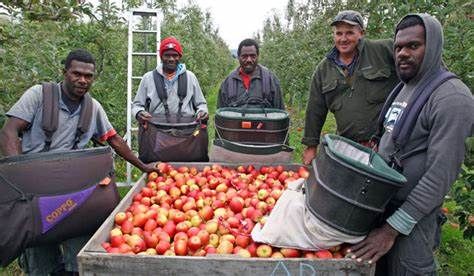
Fruit picking and agricultural jobs in Canada are among the most accessible opportunities for foreign workers, especially those with little or no formal education or experience. In 2026, Canada continues to rely heavily on international workers to support its farming sector, offering work visa sponsorship through government-approved programs.
This guide covers salaries, requirements, job types, and how to apply for fruit picking and farm jobs in Canada.
Why Agricultural Jobs Are in High Demand in Canada
Canada’s agriculture industry faces ongoing labour shortages due to:
- Seasonal nature of farm work
- Declining number of local workers in agriculture
- Large-scale farming operations needing consistent labour
To address this, the Canadian government allows employers to hire foreign workers through structured programs, making agriculture one of the easiest sectors to enter as a foreign worker.
What Is “Free Work Visa Sponsorship”?
“Free visa sponsorship” typically means the employer supports your legal work process, often covering key steps required to work in Canada.
Most agricultural jobs are filled through:
1. Seasonal Agricultural Worker Program (SAWP)
- Designed for temporary foreign farm workers
- Employers arrange work permits and travel support
2. Temporary Foreign Worker Program (TFWP)
- Requires LMIA approval
- Employer proves no Canadian worker is available
In many cases, employers cover:
- Work permit processing support
- Transportation (full or partial)
- Accommodation (often free or low-cost)
Salary of Fruit Pickers and Farm Workers (2026)
Agricultural jobs offer stable seasonal income with opportunities for overtime.
Average salary:
- Hourly wage: CAD $15 – $22
- Monthly earnings: CAD $2,000 – $3,500
- Seasonal income (3–6 months): CAD $6,000 – $18,000
Additional benefits:
- Free or subsidized housing
- Transportation assistance
- Overtime pay during peak harvest
- Work equipment provided
Some farms also offer bonuses based on productivity, especially for fruit picking.
Types of Agricultural Jobs Available
Foreign workers can apply for various roles depending on the season and region:
1. Fruit Picker
- Harvest apples, berries, grapes, cherries, etc.
- Sort and pack produce
2. Vegetable Farm Worker
- Planting, watering, and harvesting crops
- Maintaining farm fields
3. Greenhouse Worker
- Growing plants in controlled environments
- Monitoring temperature and irrigation
4. General Farm Labourer
- Feeding animals
- Cleaning farm areas
- Operating basic farm equipment
5. Dairy Farm Worker
- Milking cows
- Maintaining barns
- Assisting with livestock care
Many of these roles require no prior experience, and training is provided on the job.
Requirements for Agricultural Jobs in Canada
Basic Requirements:
- Valid passport
- Job offer from a Canadian employer
- Work permit approval
- Medical exam and police clearance
Education & Experience:
- No formal education required
- Experience is an advantage but not mandatory
Skills Needed:
- Physical strength and stamina
- Ability to work outdoors in different weather conditions
- Willingness to perform repetitive tasks
- Basic English communication
Duties of Fruit Pickers and Farm Workers
Typical responsibilities include:
- Picking fruits and vegetables by hand
- Sorting and packaging produce
- Planting and maintaining crops
- Operating simple farming tools
- Cleaning and maintaining farm areas
Farm work is usually physically demanding and fast-paced, especially during harvest season.
Farms and Employers Hiring Foreign Workers
Agricultural employers across Canada regularly hire foreign workers, especially in provinces like:
- Ontario (fruit and vegetable farms)
- British Columbia (berry and vineyard farms)
- Alberta (mixed farming and livestock)
- Quebec (large-scale agriculture)
Employers include:
- Fruit orchards
- Vegetable farms
- Greenhouse operations
- Dairy farms
These employers often participate in government-approved programs to hire international workers legally.
Immigration Pathways for Farm Workers
Foreign workers can enter Canada through:
1. Seasonal Agricultural Worker Program (SAWP)
- Short-term seasonal work
- Employer-supported visa process
2. Temporary Foreign Worker Program (TFWP)
- LMIA-based work permit
- Common for agricultural jobs
3. Agri-Food Immigration Pilot
- Pathway to permanent residency
- Available for certain agricultural occupations
Step-by-Step: How to Apply
Step 1: Prepare Your Documents
- Updated CV (simple format)
- Passport
- Any work experience (if available)
Step 2: Search for Jobs
Use keywords like:
- “Fruit picker jobs Canada visa sponsorship”
- “Farm worker LMIA Canada”
Step 3: Apply to Employers
- Apply through job platforms or farm recruiters
- Focus on employers participating in official programs
Step 4: Receive Job Offer and Work Authorization
- Employer arranges LMIA or program approval
- You receive official job offer
Step 5: Apply for Work Permit
- Submit visa application
- Complete biometrics and medical exam
Important Tips to Avoid Scams
- Never pay for a job offer or visa sponsorship
- Verify the employer is legitimate
- Avoid agents promising guaranteed visas
- Ensure proper documentation before travel
Pros and Cons
Advantages:
- No experience or degree required
- Free or subsidized accommodation
- Visa sponsorship available
- Opportunity to earn and save money
Challenges:
- Physically demanding work
- Seasonal employment (not always permanent)
- Exposure to weather conditions
Final Thoughts
Fruit picker and agricultural jobs in Canada with free work visa sponsorship in 2026 provide a practical entry point for foreign workers, especially those seeking low-skill employment opportunities abroad.
With strong demand, government-supported programs, and minimal entry requirements, agriculture remains one of the easiest ways to legally work in Canada. While the work can be physically demanding, it offers valuable international experience, steady income, and potential pathways to long-term opportunities.