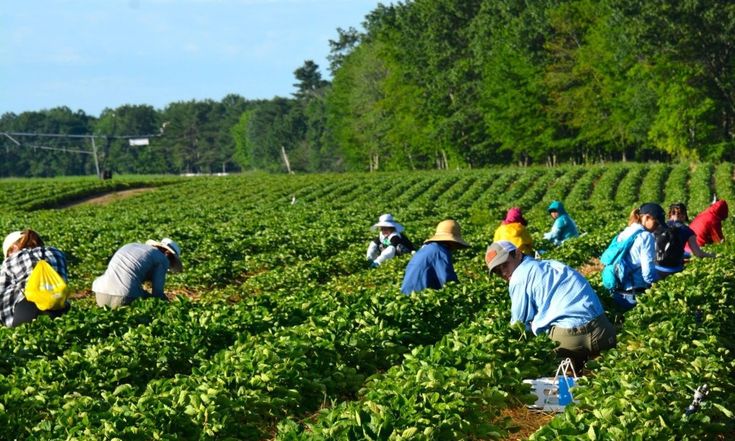
Farm worker jobs in Canada are among the most accessible opportunities for foreigners in 2026, especially for those without formal education or prior work experience. Due to ongoing labour shortages in agriculture, Canadian employers are actively hiring international workers through government-approved programs that include visa sponsorship, free housing, and relocation support.
This guide explains everything you need to know to get started.
Why Farm Worker Jobs Are in High Demand in Canada
Canada’s agriculture sector is essential to its economy, yet it faces a persistent labour shortage, particularly in rural areas.
Key reasons for demand include:
- Declining local workforce in rural farming regions
- Seasonal nature of agricultural work
- Expansion of food production and exports
- Physical nature of farm work (less appealing to local workers)
Because of this, farm work consistently receives high numbers of LMIA approvals, making it one of the easiest entry-level jobs for foreigners.
Programs Offering Free Visa Sponsorship
Foreigners can get farm jobs in Canada through two main government-approved programs:
1. Temporary Foreign Worker Program (TFWP) – Agricultural Stream
- Open to applicants from any country
- Requires employer-sponsored LMIA
- Covers various farm roles (crops, livestock, greenhouses)
2. Seasonal Agricultural Worker Program (SAWP)
- Available mainly to workers from specific countries (e.g., Caribbean, Mexico)
- Seasonal contracts (up to 8 months)
- Employer provides housing and transport
Both programs allow employers to hire foreign workers when no Canadians are available.
What Is LMIA and Why It Matters
A Labour Market Impact Assessment (LMIA) is a mandatory document that proves a Canadian employer needs a foreign worker.
- Employers must try to hire Canadians first
- If unsuccessful, they apply for LMIA
- A positive LMIA allows you to apply for a work permit
You cannot legally work in Canada without it in most farm job cases.
Salary and Benefits (2026)
Farm worker jobs are considered entry-level but still offer competitive compensation.
Average Salary:
- Hourly wage: CAD $15 – $22
- Monthly income: CAD $2,400 – $3,500
- Annual salary: CAD $30,000 – $55,000
Common Benefits:
- Free or subsidized accommodation
- Free transportation (in some programs)
- Overtime pay
- Health coverage (varies by province)
Many employers also provide free meals or utilities, reducing living costs significantly.
Types of Farm Worker Jobs (No Experience Needed)
You don’t need prior experience for most roles. Training is usually provided on the job.
Common roles include:
1. General Farm Worker
- Planting, watering, harvesting crops
- Cleaning and maintaining farm areas
2. Fruit and Vegetable Picker
- Picking fruits, vegetables, or greenhouse produce
3. Livestock Farm Worker
- Feeding animals
- Cleaning barns
- Assisting with milking
4. Greenhouse Worker
- Plant care and packaging produce
These jobs are available across provinces like Ontario, Alberta, Saskatchewan, and British Columbia.
Requirements (No Experience Required)
One of the biggest advantages is low entry requirements.
Basic Requirements:
- Valid passport
- Job offer from a Canadian employer
- Positive LMIA
- Medical fitness
- Clean criminal record
No Experience Needed:
- Most farm jobs provide on-the-job training
- No formal education required
Preferred (but not mandatory):
- Basic English communication
- Physical fitness and willingness to work outdoors
Free Benefits You Can Expect
Many farm jobs in Canada come with free or subsidized benefits, especially for foreign workers:
- Free housing or employer-provided accommodation
- Transportation to and from work
- Access to healthcare services
- Legal work permit sponsorship
Employers are often required to include these conditions in the employment contract.
Step-by-Step: How to Apply
Step 1: Prepare Your Documents
- Updated CV (simple format)
- Passport
- Any relevant work history (optional)
Step 2: Search for LMIA Farm Jobs
Look for keywords like:
- “Farm worker visa sponsorship Canada”
- “LMIA agricultural jobs”
- “No experience farm jobs Canada”
Step 3: Apply Directly
- Apply through employer listings or official job platforms
- Avoid third-party agents requesting payment
Step 4: Get Job Offer + LMIA
- Employer applies for LMIA
- You receive official job offer and LMIA copy
Step 5: Apply for Work Permit
- Submit application with required documents
- Complete biometrics and medical checks
Important Tips to Avoid Scams
Farm jobs are popular, and scams exist. Protect yourself:
- Never pay for a job offer or LMIA
- Verify employer legitimacy
- Avoid “guaranteed visa” promises
- Use official job sources and company websites
Can Farm Jobs Lead to Permanent Residency?
Yes, farm work can lead to long-term opportunities in Canada.
Possible pathways:
- Agri-Food Pilot Program
- Provincial Nominee Programs (PNP)
- Transition from temporary work permit to PR
These pathways allow workers to settle permanently after gaining experience.
Pros and Cons
Advantages:
- No experience or degree required
- Free visa sponsorship available
- Free housing and low living costs
- High demand and job availability
Challenges:
- Physically demanding work
- Outdoor conditions (cold, heat, rain)
- Seasonal nature of some jobs
Final Thoughts
Farm worker jobs in Canada with free visa sponsorship in 2026 offer a real and practical opportunity for foreigners—especially those without experience or formal education. With strong demand, employer support, and clear immigration pathways, this sector remains one of the easiest ways to start working in Canada legally.
If you are willing to work hard and stay committed, farm jobs can serve as a stepping stone to a stable income and even permanent residency in Canada.